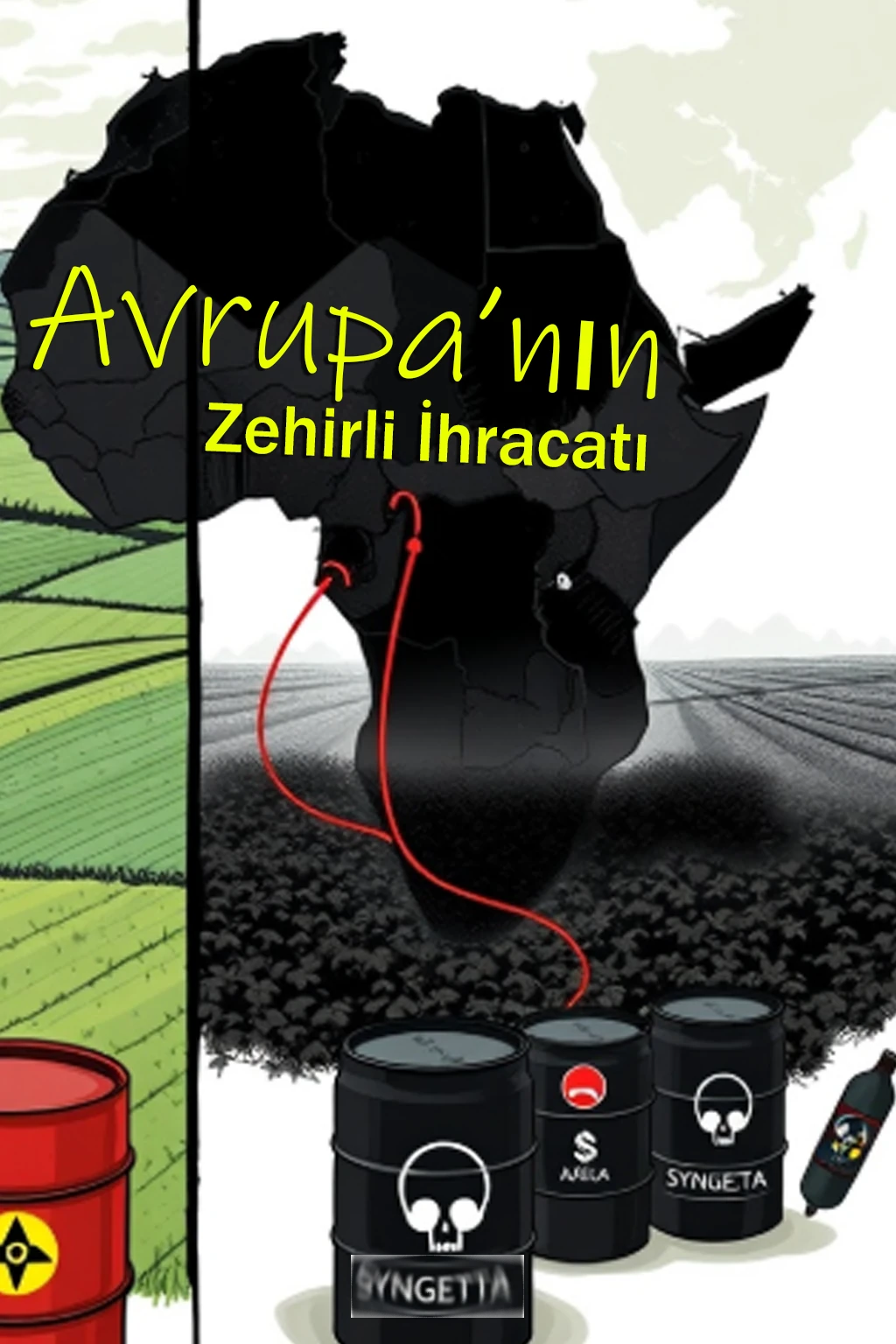
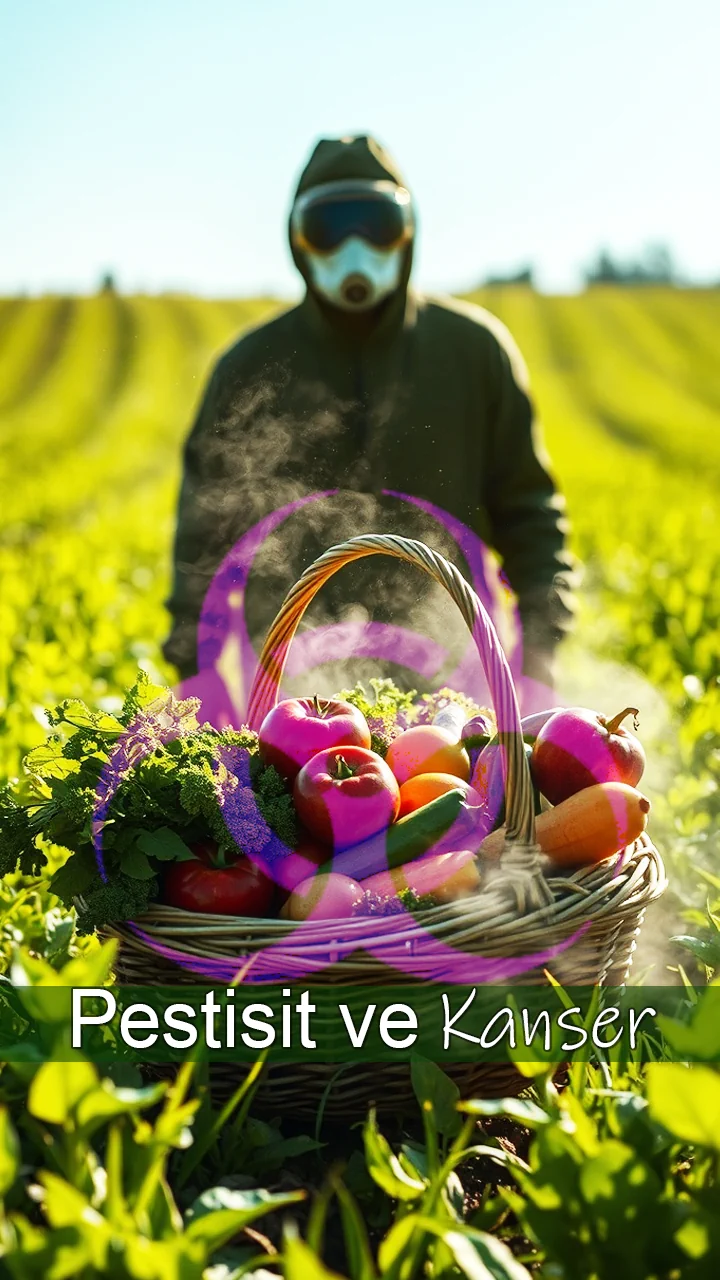
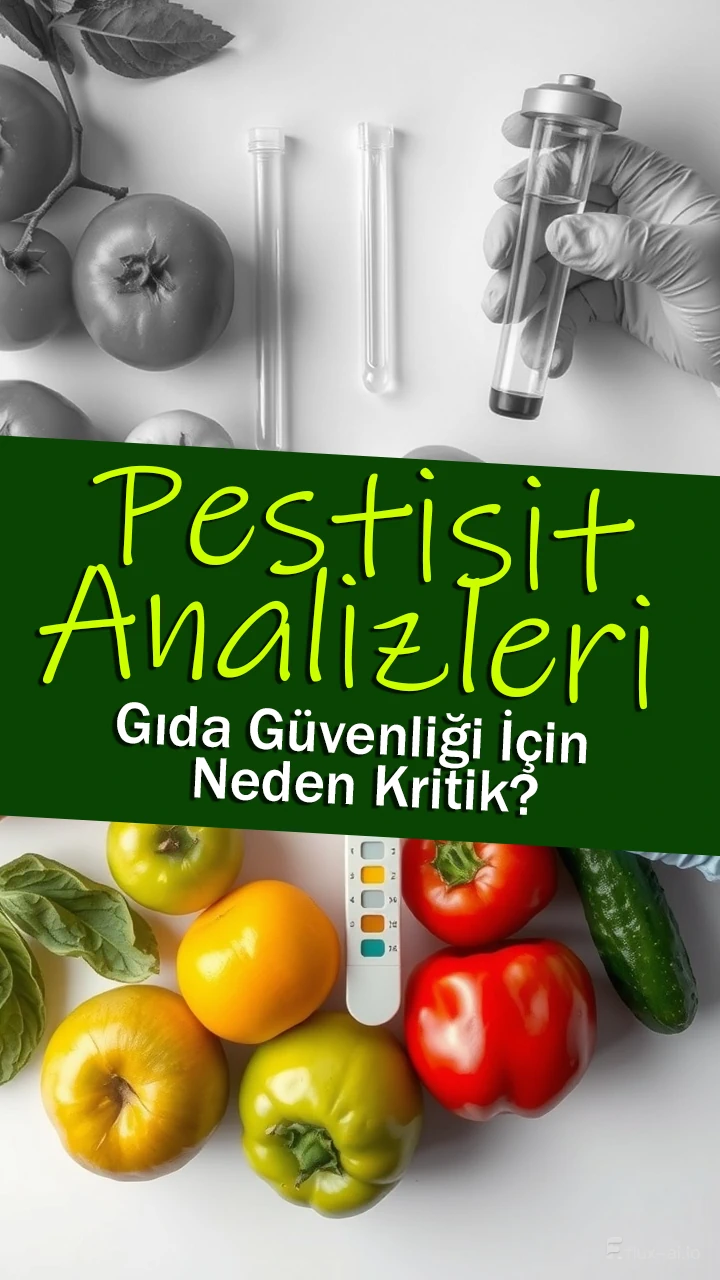
In recent years, pesticide residues detected in agricultural products exported from Türkiye to the European Union have increasingly become a food safety concern. Academic analyses covering the 2020–2025 period indicate that the issue is not limited to isolated incidents, but rather points to a structural problem: certain products contain pesticide residues far above the maximum residue limits (MRLs).
According to a report published by MDPI in 2025:
“Türkiye shows a clear upward trend in pesticide-related RASFF notifications concerning fruit and vegetable exports to the EU during the 2020–2025 period.”
This trend damages market confidence in Turkish products within the EU while also increasing economic risks for producers and exporters.
24 Separate EU Health Risk Notifications in a Single Week (17–21 November)
Within just one week, EU member states published 24 separate health alerts regarding food products imported from Türkiye. Most notifications were related to pesticide residues. Key product categories included:
- Dried grapes / raisins
- Citrus fruits
- Vegetables (peppers, cucumbers, etc.)
A statement from the latest bulletin of the Health Foundation notes:
“All detected pesticides are classified as high risk, particularly for children.”
Key Findings
1. Excess Acetamiprid in Dried Raisins
A RASFF notification issued by the Netherlands reported 0.26 mg/kg acetamiprid in raisins packaged for children (EU limit: 0.08 mg/kg).
2. Chlorpyrifos-Methyl in Citrus Fruits
Austria detected chlorpyrifos-methyl in mandarins originating from Türkiye. This pesticide is banned both in the EU and in Türkiye.
3. Fosthiazate in Vegetables
Certain batches of vegetables—particularly peppers and cucumbers—contained residues of fosthiazate, a pesticide categorized as high-risk in Europe.
According to Gıda Bülteni’s evaluation:
“The recent surge in notifications suggests possible failures at multiple points in the control chain.”
Why Are These Notifications Increasing?
Academic studies covering 2020–2025 highlight three main structural causes:
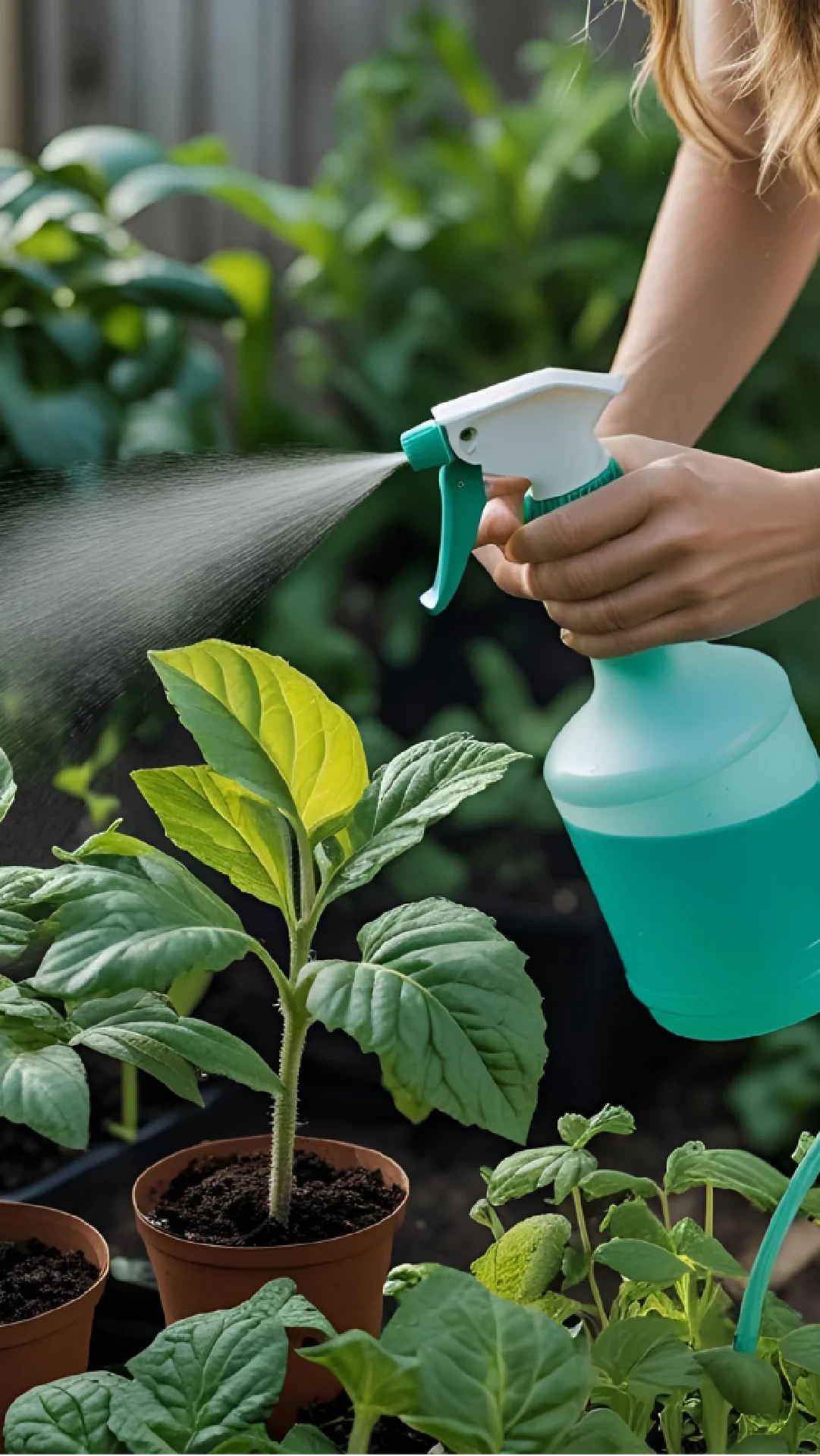
- Improper pesticide use or dosage violations
- Post-harvest lapses in quality control
- Insufficient pre-export pesticide testing / residue analysis
What Needs to Be Done? — Action Plan
1. Stricter oversight
Producers must strictly comply with the approved pesticide list throughout the cultivation process.
2. Mandatory pre-export pesticide testing
Laboratory-based pesticide testing / pesticide analysis / residue screening should be incorporated as a standard requirement.
3. Producer training
Farmers must receive continuous training on correct dosing, pre-harvest intervals, and banned substances.
4. Traceability
A transparent documentation and information flow must be ensured throughout the supply chain.
These steps will help restore export credibility while also safeguarding consumer health.
References
- Gıda Güvenliği Derneği — Monthly RASFF Alert Reports
- Gıda Bülteni — News platform on food safety and public health risks
- Diken News Platform — 2025 Reports on Food Shipments Returned from EU (November & December)