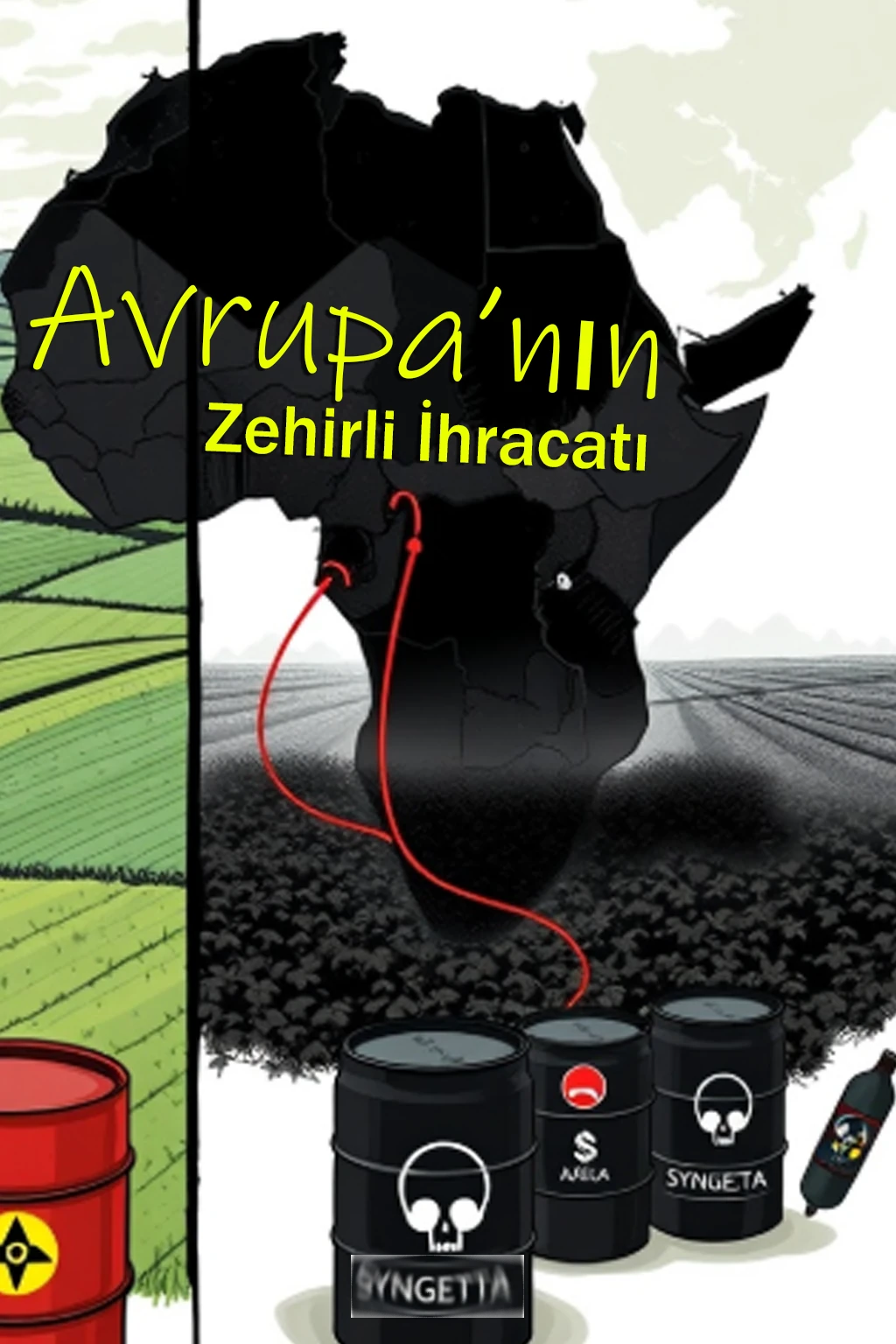
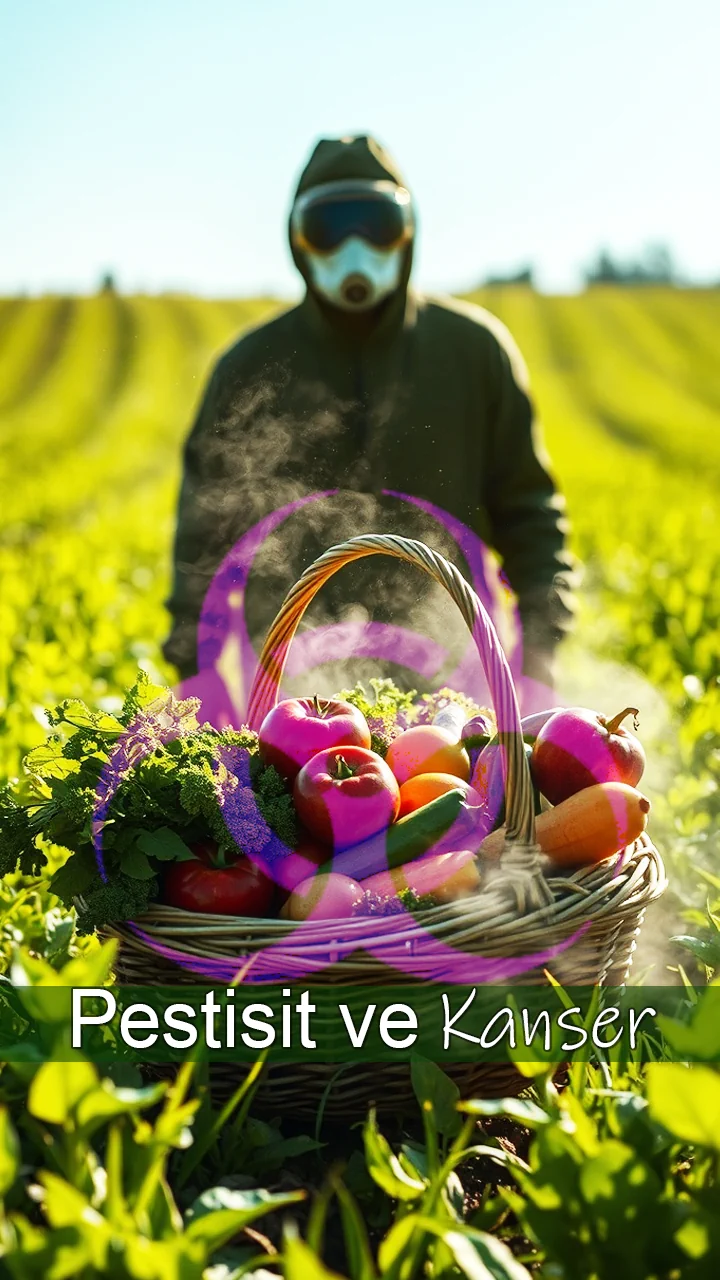
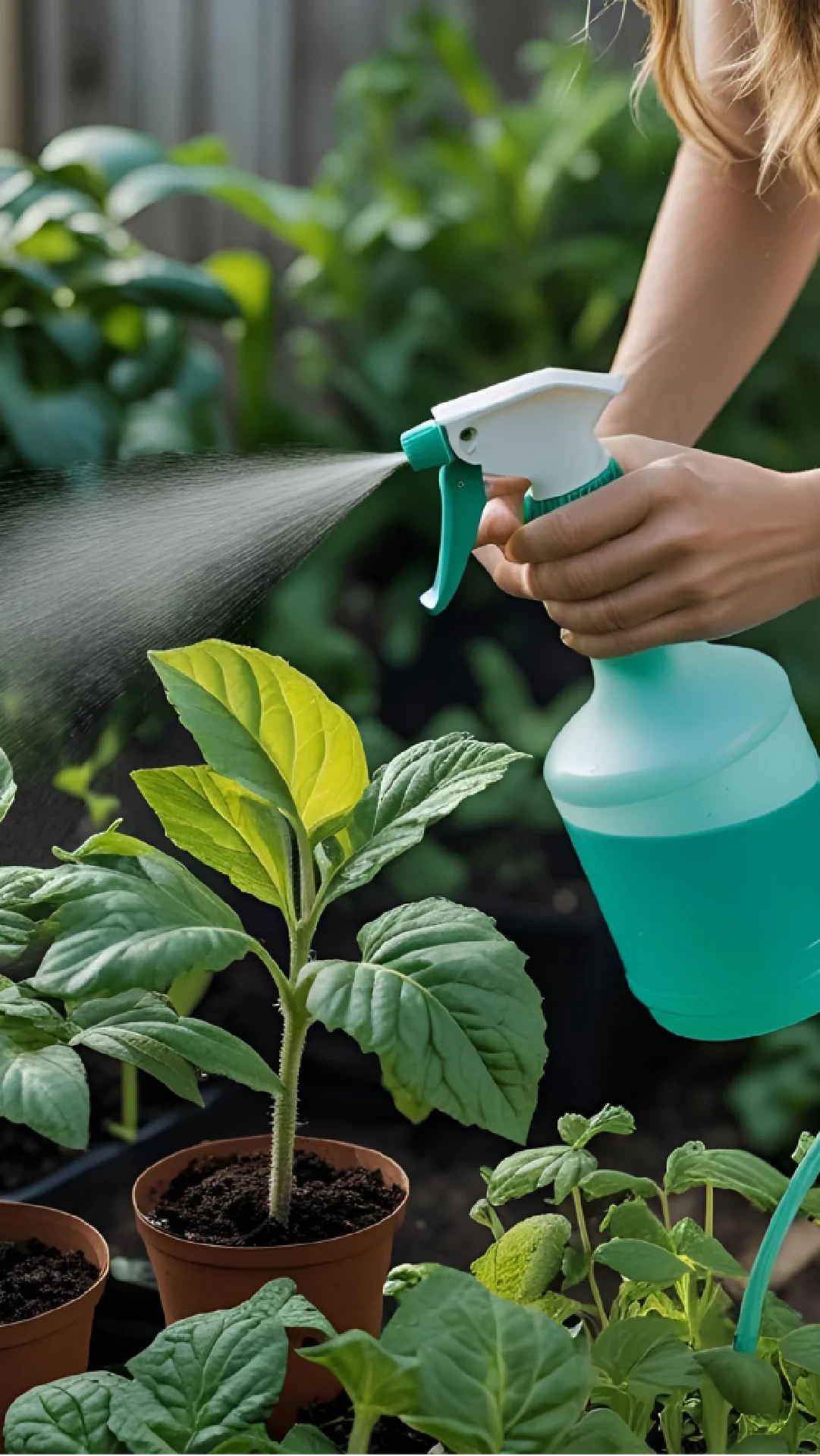
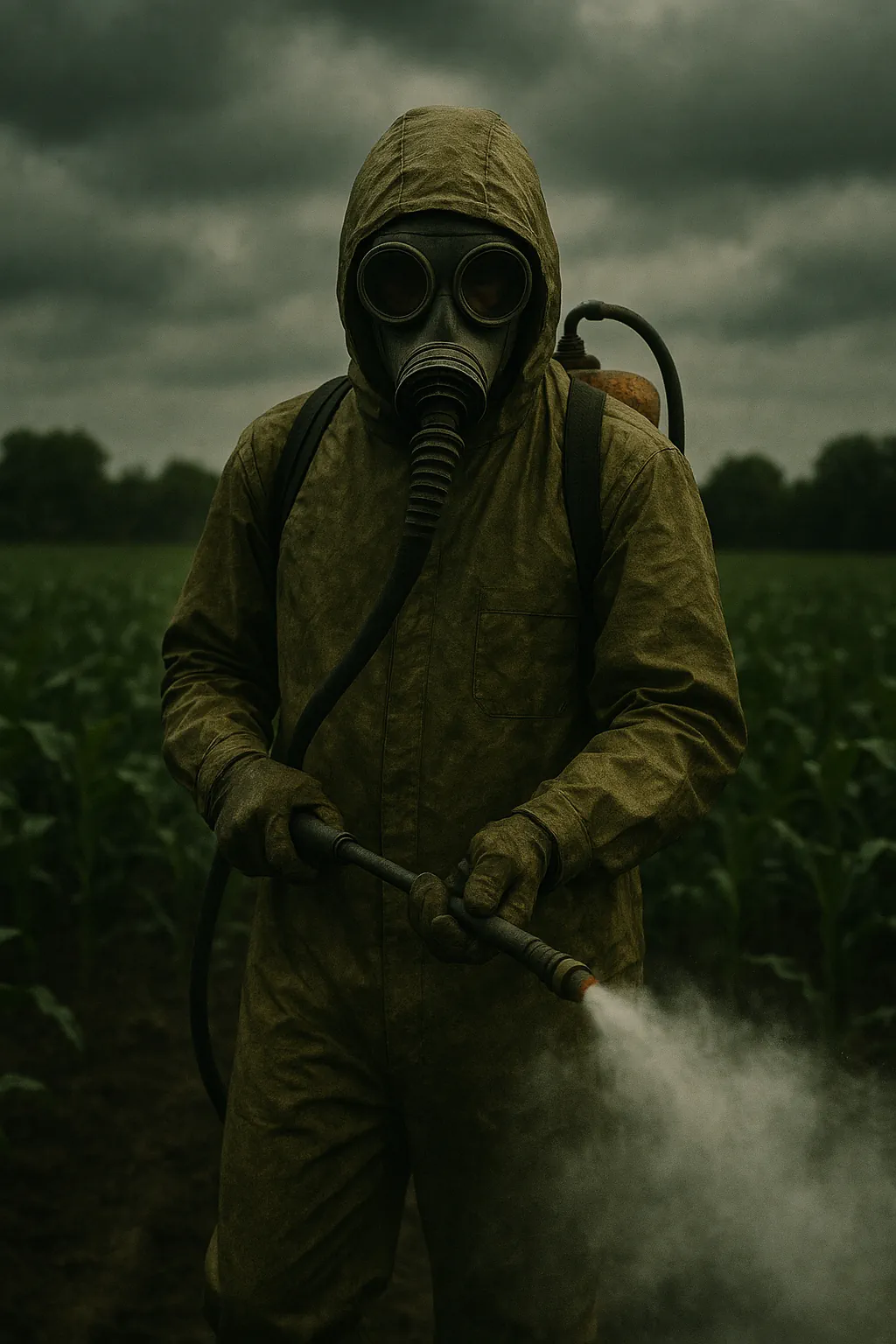
Synthetic pesticides used in agriculture worldwide—insecticides, herbicides, organophosphates—pose serious threats to soil health, ecosystems, and human health. In regions where pesticide use is widespread, the soil microbiome deteriorates, insect populations and insect-dependent species decline, water resources become polluted, and ultimately agricultural products may contain pesticide residues.
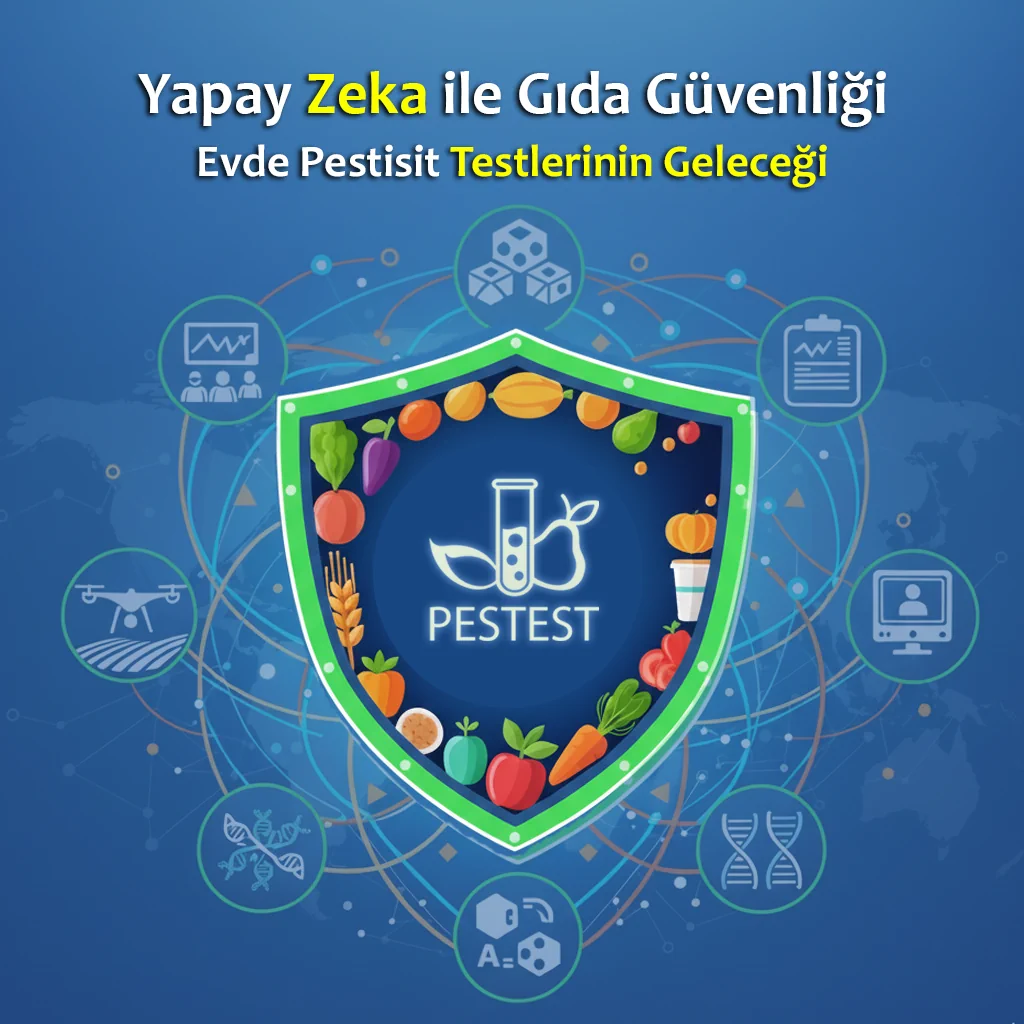
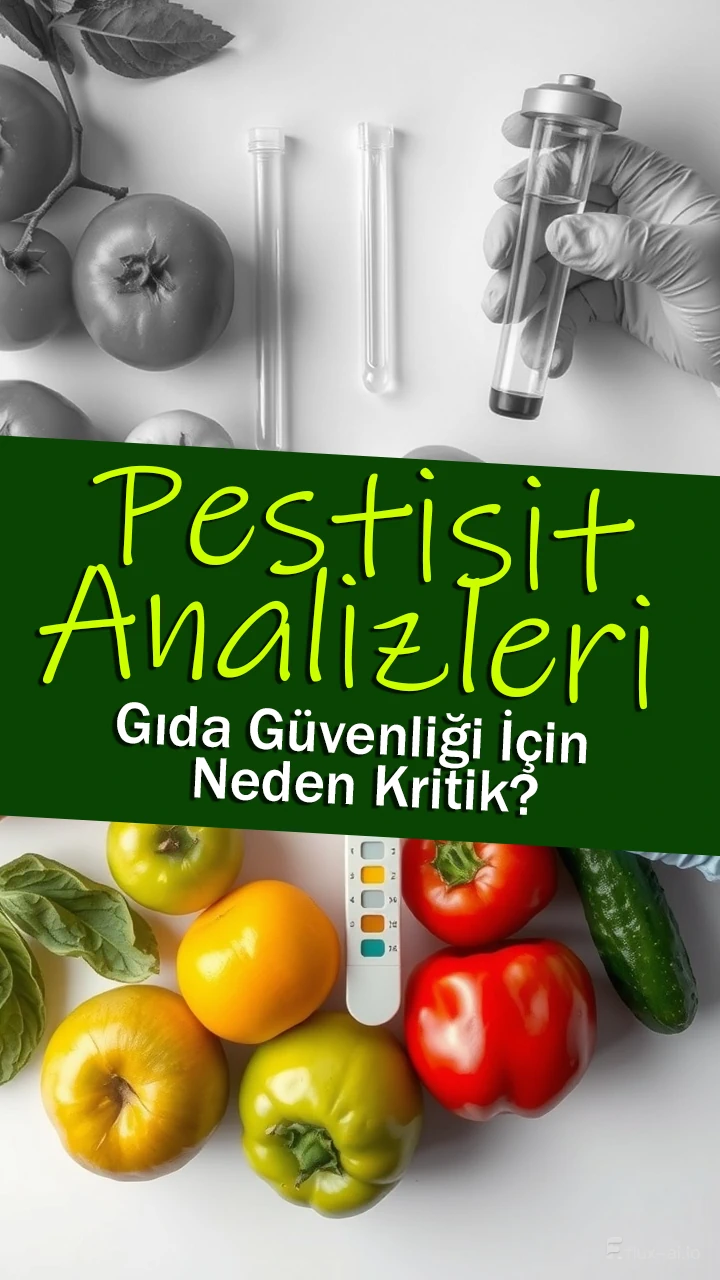
For this reason, not only production methods but also pre-export pesticide testing—pesticide residue analysis / residue testing / pesticide screening—has become increasingly common. This approach helps protect environmental sustainability, food safety, and consumer health at the same time.
A Warning from Germany: A Company That Produced Insect Poisons Became Insect-Friendly
A report published by DW presents a striking example of this transformation. Reckhaus, a company that produced insecticides for many years, made a radical decision: instead of continuing with chemical sprays, it adopted a vision of “protecting insects rather than killing them.”
The Origin of the Transformation: A Fly Trap and a Moment of Questioning
When Reckhaus planned to launch a new fly trap and collaborate with artists for its promotion, the artists refused, saying: “Killing insects no longer fits the spirit of our time.”
This rejection triggered a deep internal reflection for the company’s owner.
As a result of this process, the company:
- Began viewing flies and other insects not as “pests,” but as living beings worthy of protection.
- Introduced a new quality label on its products called “Insect-Respect,” representing insect-friendly production, storage, and non-lethal control principles.
- Gradually reduced chemical insecticides and developed non-lethal alternatives that capture insects alive instead of killing them.
The founder of Reckhaus openly admits:
“Over the last ten years, I lost 30% of my turnover and more than 80% of my profit. But what I earn today is still enough for me to live a good life.”
This transformation demonstrates that markets can change from within—not only through consumer pressure, but also through the ethical will of producers and industrial leaders.
This Transformation Is Not Alone: Inspiring Stories from Around the World
1. Japan – From Chemically Dependent Rice Fields to “Aquatic Insect Farms”
In Japan, some rice farmers have established systems that encourage rice paddies to function as natural wetlands filled with insects. After abandoning pesticide use:
- Aquatic insects that had disappeared for years returned,
- The ecosystem began regulating pests naturally,
- Rice became a premium organic product.
2. Italy – Apple Growers’ Collective Shift to Biological Pest Control
In South Tyrol, apple producers made a collective decision in response to strict EU pesticide regulations:
- Reduced synthetic insecticides by 70%,
- Adopted pheromone traps and beneficial insect release systems.
Today, the region is one of Europe’s cleanest and most highly certified fruit production centers.
3. United States – From Chemical Pest Control to Biotechnical Solutions in Poultry Farms
Large-scale poultry farms in the U.S. have abandoned chemical insecticides and now use:
- Natural predator insects for mite control,
- Organic sulfur,
- Plant-based repellents.
The Common Ground of the Transformation: Awareness, Courage, and Science
These stories share several key elements:
- Acknowledgment of harm: Pesticides impose a heavy burden on soil, water, and insect populations.
- Facing ecological reality: Agriculture and ecosystems cannot exist without insects.
- Courage to take risks: Revenues may drop and profits may shrink—but long-term gains are greater.
- New market reality: Consumers increasingly demand clean food, low pesticide use, and ethical production.
- Sustainable business models: Nature-based production may be challenging at first, but it is economically meaningful in the long run.
What Should Be Done? — Pesticide Testing, Agroecology, and Responsibility
- Mandatory Pesticide Testing & Residue Analysis: Pesticide residue analyses should be conducted throughout the entire chain—from production to export.
- Biological Control & Nature-Friendly Methods: Move away from chemical insecticides and prioritize natural enemies, soil health, and ecosystem balance.
- Transparency & Traceability: Producers and importers should inform consumers through quality labels and analysis reports.
- Consumer Demand & Conscious Choice: Preference for “pesticide-free / low-residue / organic / insect-friendly” products should increase.
- Sector-Wide Transformation / Change from Within: Responsibility must be shared by all actors—not only farmers, but also the chemical industry, packaging, retail chains, and distributors.
The World Is Moving Away from Pesticides — This Is Not Slow, It Is a Real Trend
Companies like Reckhaus, rice farmers in Japan, apple producers in Italy, organic livestock initiatives in the United States…
All point to the same conclusion:
Poison-based agriculture is reaching the end of its lifespan.
In its place, a model is emerging that works in harmony with nature, protects insects instead of destroying them, and removes synthetic pesticides from the center of agriculture.
This transformation is not yet complete—but its direction is unmistakably clear:
A farming system that respects soil, insects, water, and life itself is being built.
Whether you are a company, a farmer, or a consumer, these stories remind us of one fundamental truth:
Those who cooperate with nature—not those who fight it—are the ones who win.
References
- DW — “How a Poison Producer Became an Insect Protector?” Insa Wrede, 29.11.2025
- Food and Agriculture Organization of the United Nations (FAO) — Guidelines and reports on pesticide residues, biological control, and sustainable agriculture
- European Food Safety Authority (EFSA) — Documents on pesticide residue limits, risk assessments, and pesticide monitoring