In Europe, pesticide use has long been a subject of intense debate due to its environmental and public health implications. Recent testing has revealed that food products often contain multiple active substances simultaneously, and that this “cocktail effect” is not adequately addressed by current regulations. Despite this, there is growing pressure from certain political and industrial actors to relax pesticide controls.
The primary justification presented to the public sounds highly positive: accelerating the transition to biocontrol alternatives.
How Did the Push to Relax Controls Emerge?
The idea of easing regulations gained traction alongside the EU’s rhetoric of “relieving farmers” and “reducing bureaucratic burdens.” Rising agricultural costs, declining yields due to climate change, and supply chain disruptions following the Ukraine war have reinforced claims that pesticide rules are “too strict.”
The core argument can be summarized as follows:
“If pesticide approval processes and usage controls are relaxed, farmers will transition more quickly from chemical pesticides to biocontrol products.”
However, organizations such as the Pesticide Action Network Europe (PAN Europe) and independent scientists argue that this claim lacks scientific evidence and may, in practice, lead to the opposite outcome.
What Does the “Biocontrol” Narrative Actually Mean?
Biocontrol refers to the use of beneficial insects, microorganisms, or naturally derived substances to manage pests. In theory, it represents an environmentally friendly approach. However, critics argue that the term is increasingly being used as a marketing and regulatory tool.
According to PAN Europe:
“The biocontrol narrative serves as a smokescreen to justify reduced scrutiny of high-risk chemical pesticides.”
Indeed, proposed regulatory changes often place biocontrol products and chemical pesticides within the same legislative framework. Despite having fundamentally different risk profiles, they are subjected to similar treatment. This creates a risk of narrowing pesticide testing requirements and sidelining long-term toxicity assessments.
Who Is Supporting This Approach?
Supporters of deregulation include certain agricultural associations, lobbying groups, and platforms operating under the banner of “innovative agriculture.” At the European level, organizations such as CropLife Europe are particularly prominent.
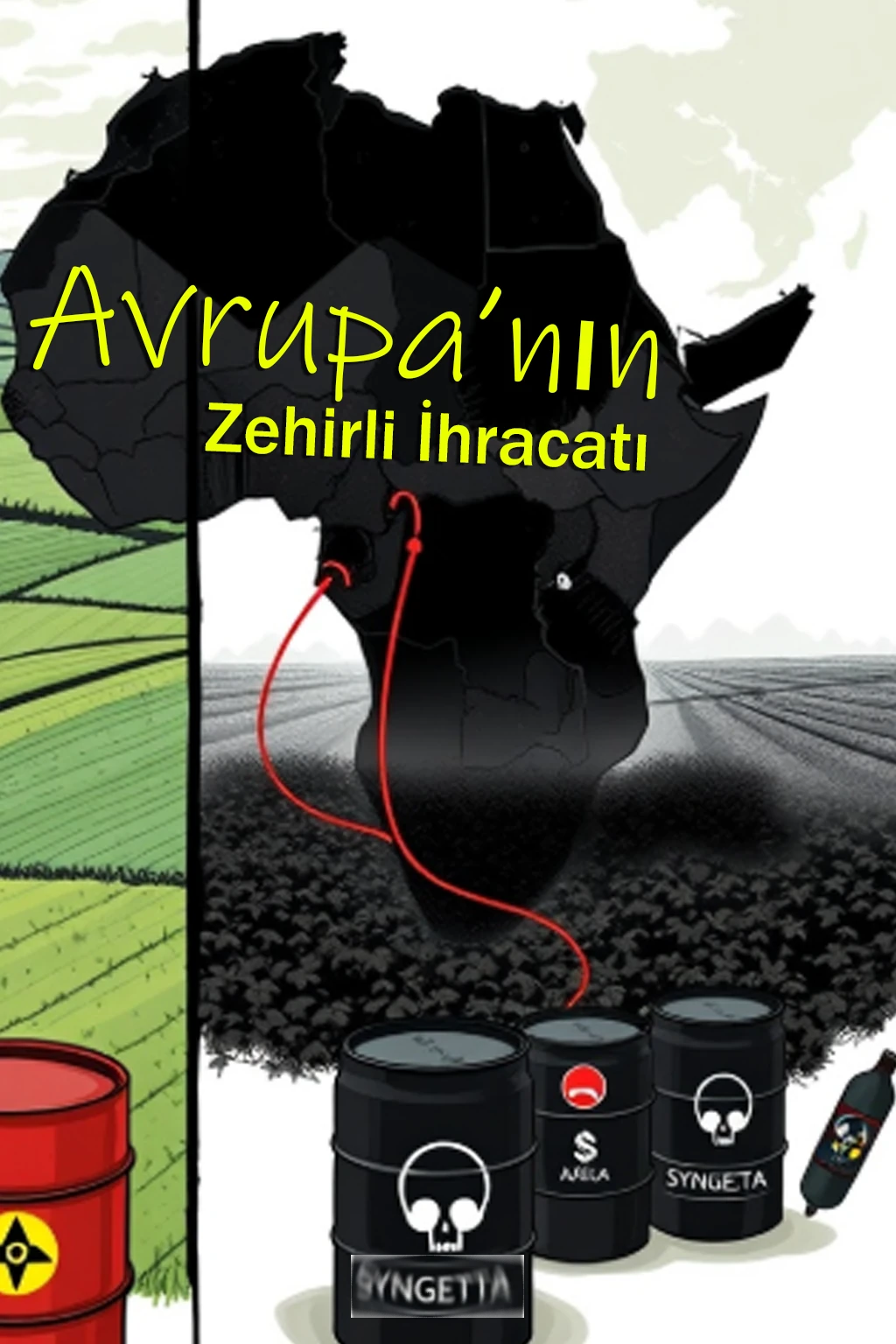
CropLife represents major pesticide producers, including Bayer, BASF, Syngenta, and Corteva.
A critical point is that the biocontrol market is also largely being developed and controlled by these same multinational corporations. In other words, loosening regulations would benefit not only chemical pesticides but also the “natural” products within these companies’ portfolios.
Organizations such as PAN Europe and Corporate Europe Observatory explicitly describe this situation as a conflict of interest.
What Do Scientists and Civil Society Say?
Independent toxicologists and environmental health experts emphasize that current pesticide testing is already insufficient. The long-term effects of low-dose exposure and the combined impact of multiple substances remain poorly understood.
The European Environment Agency has previously reported that pesticide exposure is linked to biodiversity loss, soil degradation, and endocrine system disruption. Despite this, calls to weaken controls appear to be driven more by economic pressure than by scientific evidence.
What Could Be the Real Solution?
According to critics, the solution is not to relax regulations but to strengthen them. This includes expanding pesticide testing frameworks, ensuring independent and transparent evaluation of biocontrol products, and providing structural support to help farmers reduce dependence on chemical inputs.
Otherwise, the “biocontrol” label risks becoming little more than a tool for greenwashing in pesticide policy.
References:
- PAN Europe – Pesticide regulations and biocontrol debates
- Corporate Europe Observatory – Agricultural lobbying and EU policies
- European Environment Agency (EEA) – Environmental impacts of pesticides
- CropLife Europe – Industry perspectives