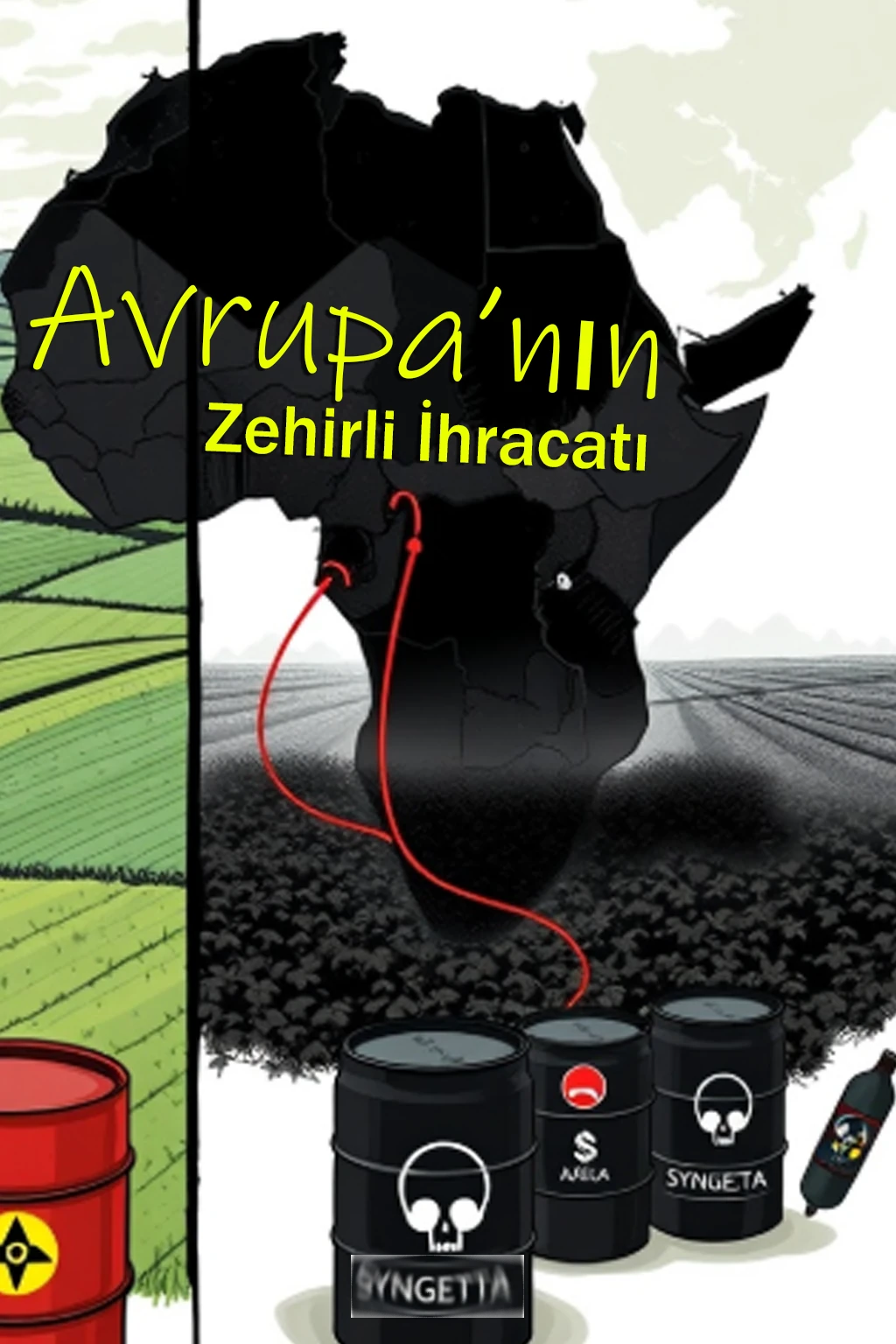
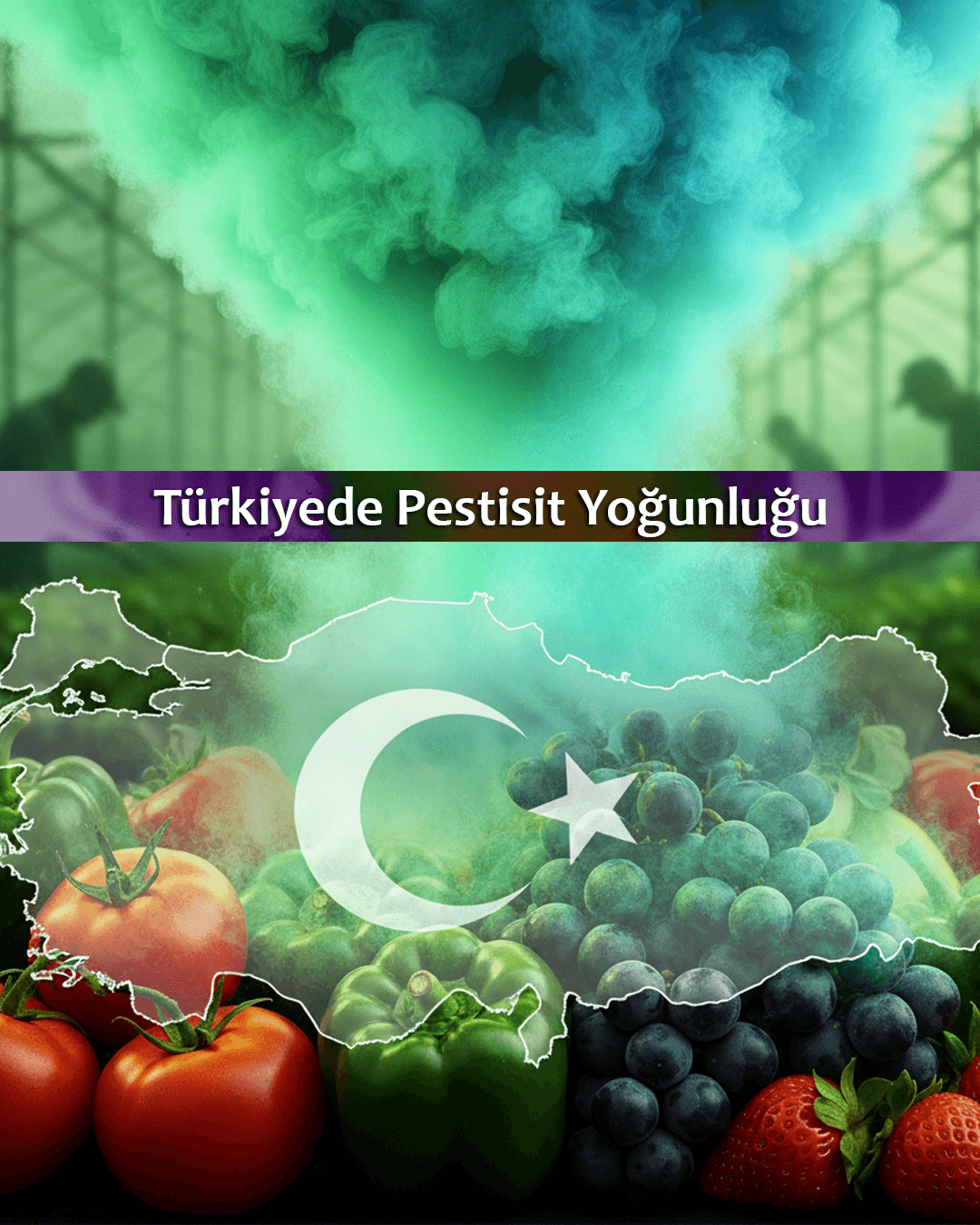
Pesticides are chemicals used to control pests in agriculture. However, these substances threaten not only pests but also wildlife and other living organisms. Pesticide poisoning can be categorized into three main types:
- High-level exposure observed in pesticide production workers
- Long-term, low-level exposure through contact with food, soil, air, and water
- Short-term, very high-level exposure due to intentional use (suicide attempts) or among pesticide formulators
In developing countries, acute poisoning caused by short-term high exposure is common, whereas in developed countries, chronic poisoning due to long-term low-level exposure is more frequently observed.
For example, in India, pesticide exposure causes as many deaths as traffic accidents. Among workers in cotton fields, 42% have experienced acute pesticide poisoning, while 33% have suffered health problems due to long-term exposure. Additionally, 12% of workers have developed severe conditions such as permanent vision impairment and paralysis.
According to global research, approximately 385 million cases of acute pesticide poisoning occur each year. Around 44% of the global agricultural workforce is exposed to acute poisoning risks.
What is Pesticide Poisoning?
Pesticide poisoning occurs when these chemicals enter the body through inhalation, skin contact, or ingestion. It can manifest in two forms:
- Acute poisoning: Occurs after exposure to a high dose in a short period
- Chronic exposure: Develops after prolonged exposure to low doses
Some pesticides, particularly organophosphates, can affect the nervous system and lead to serious health complications.
Symptoms of Pesticide Poisoning
Symptoms vary depending on the type and amount of pesticide exposure. The most common include:
Mild to Moderate Symptoms:
- Headache and dizziness
- Nausea and vomiting
- Sweating and fatigue
- Eye irritation and tearing
- Skin redness or irritation
More Serious Symptoms:
- Muscle twitching or tremors
- Excessive salivation
- Shortness of breath
- Blurred vision
- Difficulty speaking
- Confusion
Emergency Symptoms Requiring Immediate Attention:
- Seizures
- Severe respiratory distress
- Loss of consciousness
WARNING: Immediate medical attention is required if these symptoms occur.
What Should Be Done in Case of Pesticide Poisoning?
If poisoning is suspected, rapid action is critical.
WARNING: Do not administer any medication without consulting a doctor.
Skin Contact:
- Remove contaminated clothing immediately
- Wash affected areas with cold water for at least 10 minutes
- Cover the area with a clean, soft cloth
Eye Contact:
- Keep eyelids open and rinse gently
- Continue washing for at least 15 minutes using lukewarm water
Inhalation Exposure:
- Move the person to fresh air if in a confined space
- Do not allow unnecessary movement
- Loosen clothing and remove contaminated garments if needed
- Ensure the airway is clear by positioning the chin forward
- Cover lightly with a blanket if the person feels cold
Ingestion:
- Inducing vomiting is generally not recommended
- Never induce vomiting if the person is unconscious or having seizures
WARNING: Even mild symptoms require medical evaluation.
Who is at Higher Risk?
- Agricultural workers
- Industrial workers involved in production
- Children
- Pregnant women
- Individuals living near pesticide-treated areas
WARNING: Pesticide exposure may not always produce immediate symptoms. Regular monitoring is important, especially for high-risk groups.
How to Prevent Pesticide Poisoning
Although pesticide exposure is a global issue, simple daily precautions can significantly reduce risk:
- Wash fruits and vegetables thoroughly with water
- Avoid areas where pesticides are being applied
- Use protective equipment
- Keep children away from treated areas
Pesticides and Suicide
Pesticide poisoning is not limited to accidental exposure. Due to their accessibility, pesticides are frequently used in intentional self-harm cases worldwide. According to the World Health Organization, approximately 3 million people are hospitalized annually due to pesticide poisoning, around 2 million of which result from intentional exposure. These cases lead to approximately 220,000 deaths each year. Studies in Asia indicate that in some regions, more than 60% of suicides involve pesticides.
These figures highlight that pesticides are not only agricultural tools but also a significant public health concern.
Conclusion
Pesticide poisoning is a serious health issue that can range from mild symptoms such as nausea to life-threatening conditions. Early recognition of symptoms, proper intervention, and minimizing exposure are the most effective ways to manage this risk. In any suspected case of poisoning, medical attention should be sought immediately.
References
- World Health Organization – Public Health Impact of Pesticides
- Centers for Disease Control and Prevention – Pesticide Illness & Injury Surveillance
- Environmental Protection Agency – Recognition and Management of Pesticide Poisonings
- PAN UK – Pesticide Action Network UK