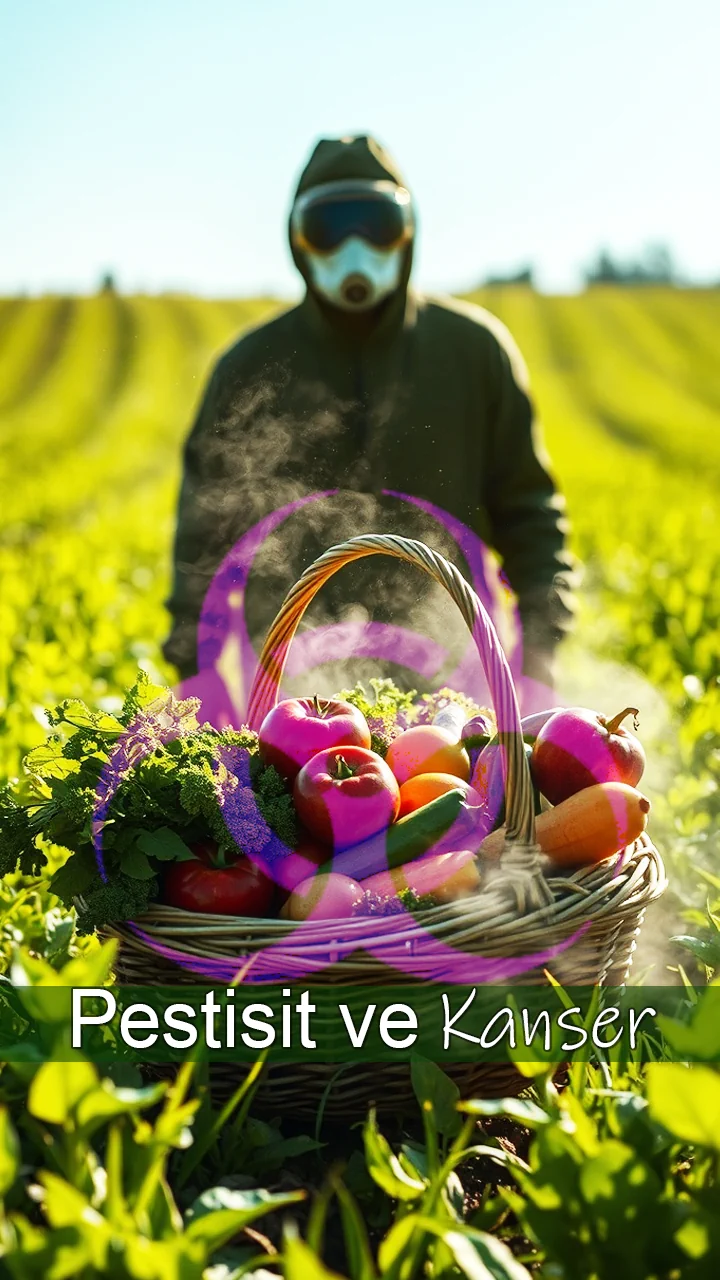
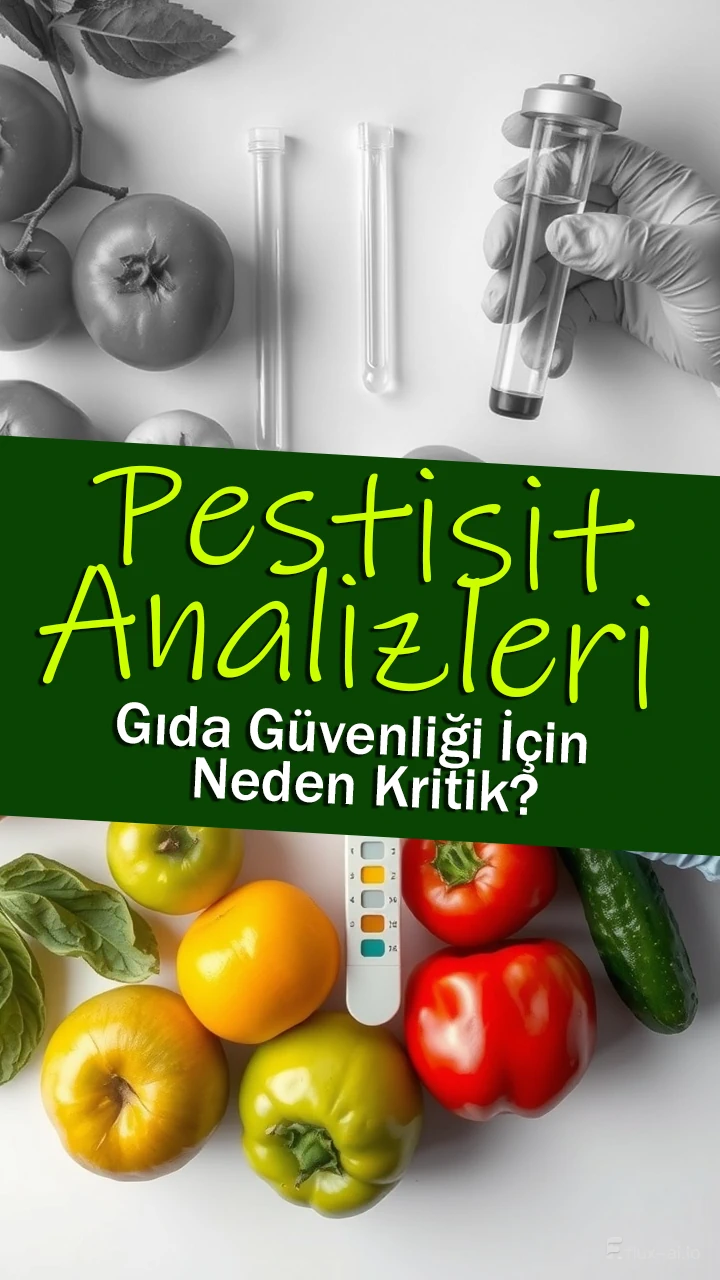
According to international analyses, some fruits and vegetables can contain significantly higher levels of pesticide residues than others. Based on the most recent data published in 2026, products such as spinach, cabbage varieties, and strawberries rank among those with the highest residue levels.
Even more striking is the fact that in some samples, up to seven different pesticides can be found on a single product—and in certain cases, this number can reach as high as 19. This indicates that consumers are often exposed not to a single chemical, but to a mixture of multiple pesticides.
Recent 2026 reports have also revealed the presence of PFAS, known as “forever chemicals” due to their persistence in the environment, in a significant portion of these products. These substances can accumulate in the human body, further increasing concerns about pesticide exposure.
What Do Recent Data Show?
Fruits and vegetables are essential components of a healthy diet. However, the use of pesticides during production highlights a more complex reality behind these foods. International studies conducted in recent years show that many products contain not just one pesticide, but multiple chemical residues simultaneously.
To better understand this issue, annual guides such as the “Dirty Dozen” and “Clean Fifteen” provide consumers with a practical roadmap, indicating which products may require more careful selection.
Produce with the Highest Pesticide Residues
According to 2026 data, the products with the highest pesticide residue levels include:
Spinach, cabbage, kale and other leafy greens, strawberries, grapes, nectarines, peaches, blackberries, apples, cherries, pears, potatoes, blueberries
Concerning Findings
- Approximately 96% of samples contained pesticide residues
- A total of 203 different pesticides were detected
- Most products contained an average of four or more pesticides simultaneously
Shocking Findings: Up to 19 Pesticides in a Single Product
In some cases, the findings are even more alarming. For example, spinach samples contained an average of seven different pesticides. In certain cases, this number reached 19 pesticides in a single sample. Additionally, 76% of samples contained permethrin, a neurotoxic insecticide.
Why Do These Products Contain More Residues?
Products with higher residue levels tend to share certain characteristics:
- Thin skins (e.g., strawberries, peaches)
- Leafy structures (e.g., spinach, cabbage)
- Surfaces that retain pesticides more easily
Cleaner Alternatives
There are also fruits and vegetables with significantly lower pesticide residues. According to 2026 data, these include:
Pineapple, avocado, sweet corn, papaya, onion, asparagus, cauliflower, watermelon, mango, banana, carrot, mushroom, kiwi
Not Completely Risk-Free
- Around 60% of samples had no detectable pesticide residues
- Only 16% contained more than one pesticide
What Should Consumers Do?
Experts emphasize that the solution is not to reduce fruit and vegetable consumption, but to adopt a more informed approach:
- Wash fruits and vegetables thoroughly with plenty of water
- Peel them when possible
- Consider organic alternatives for high-risk products
- Diversify your diet
Conclusion
Although recent data show that pesticide residues are widespread in many fruits and vegetables, this is not a reason to avoid healthy eating. However, being more cautious with high-risk products, reducing exposure, and adopting informed consumption habits are essential steps toward protecting long-term health.
References
- Nguyen, J. "Spinach has the most pesticide contamination of any fruit or vegetable, according to new data" www.ctinsider.com/news/article/spinach-pesticides-ewg-dirty-dozen-2026-22140976.php
- Dirty Dozen List www.ewg.org/foodnews/full-list.php
- Naguin, T. "Dirty Dozen List" www.yahoo.com/news/articles/dirty-dozen-produce-2026-list-153622823.html
- "Fruits and Vegetables with the Highest Pesticide Residues" www.odatv.com/gastroda/en-fazla-pestisit-iceren-meyve-ve-sebzeler-i-hangi-meyve-ve-sebzelerde-pestisit-daha-fazla-i-en-cok-kalinti-tasiyan-12-urun-i-hangi-urunler-organik-alinmali-120144394
- Montemarano, K. "I Asked Toxicologists What to Do If You’re Concerned About Pesticides" www.eatingwell.com/toxicologists-dirty-dozen-list-washing-produce-11957871