One of the fundamental goals of modern agriculture is to meet the food demands of a growing global population in a safe and sustainable manner. However, the methods used to achieve this goal—particularly when chemical inputs are involved—bring significant debates. Pesticides are at the center of these discussions and must be carefully evaluated in terms of both agricultural continuity and human health. Today, pesticides have evolved into a multidimensional issue, extending beyond production into food safety, environmental health, and consumer awareness.
Definition and Scope of Pesticides
The term pesticide is a broad umbrella concept that includes all chemical or biological agents used to control, repel, or eliminate harmful organisms. These organisms include insects, weeds, fungi, bacteria, and rodents that threaten agricultural production. Therefore, pesticides do not refer to a single group of substances but rather encompass a wide classification of compounds with different mechanisms of action and target organisms.
In this context:
- Insecticides are used against insects
- Herbicides target weeds
- Fungicides are designed to combat fungal diseases
Each group differs in chemical structure, duration of effect, and environmental persistence.
Historical Development
The use of pesticides did not begin with modern chemistry. In ancient times, natural substances such as sulfur and plant extracts were used to control pests. During the 19th century, arsenic-based compounds became widespread, but their high toxicity led to serious health problems.
In the mid-20th century, synthetic pesticides—especially compounds like DDT—revolutionized agricultural production. However, due to their environmental persistence and bioaccumulation properties, many were later banned or restricted. This shift highlighted the necessity of evaluating pesticides not only for their effectiveness but also for their environmental and toxicological impacts.
Natural vs. Synthetic Pesticides
Pesticides are generally divided into two main categories: natural (biopesticides) and synthetic (chemical).
- Synthetic pesticides are developed in laboratories and typically act quickly. Their high effectiveness can significantly increase crop yields in the short term. However, concerns arise due to their persistence in the environment and potential effects on non-target organisms.
- Natural pesticides, derived from plants, microorganisms, or minerals, are often considered safer due to lower environmental persistence. However, this does not mean they are harmless. Some plant-based pesticides can also exhibit high toxicity. Therefore, the term “natural” is not scientifically equivalent to “risk-free.”
Human Health and Environmental Risks
The effects of pesticides on human health vary depending on the level and duration of exposure. High-dose exposure can lead to acute poisoning, while long-term exposure to low doses has been associated in various studies with disruptions in the endocrine system, nervous system, and certain chronic diseases.
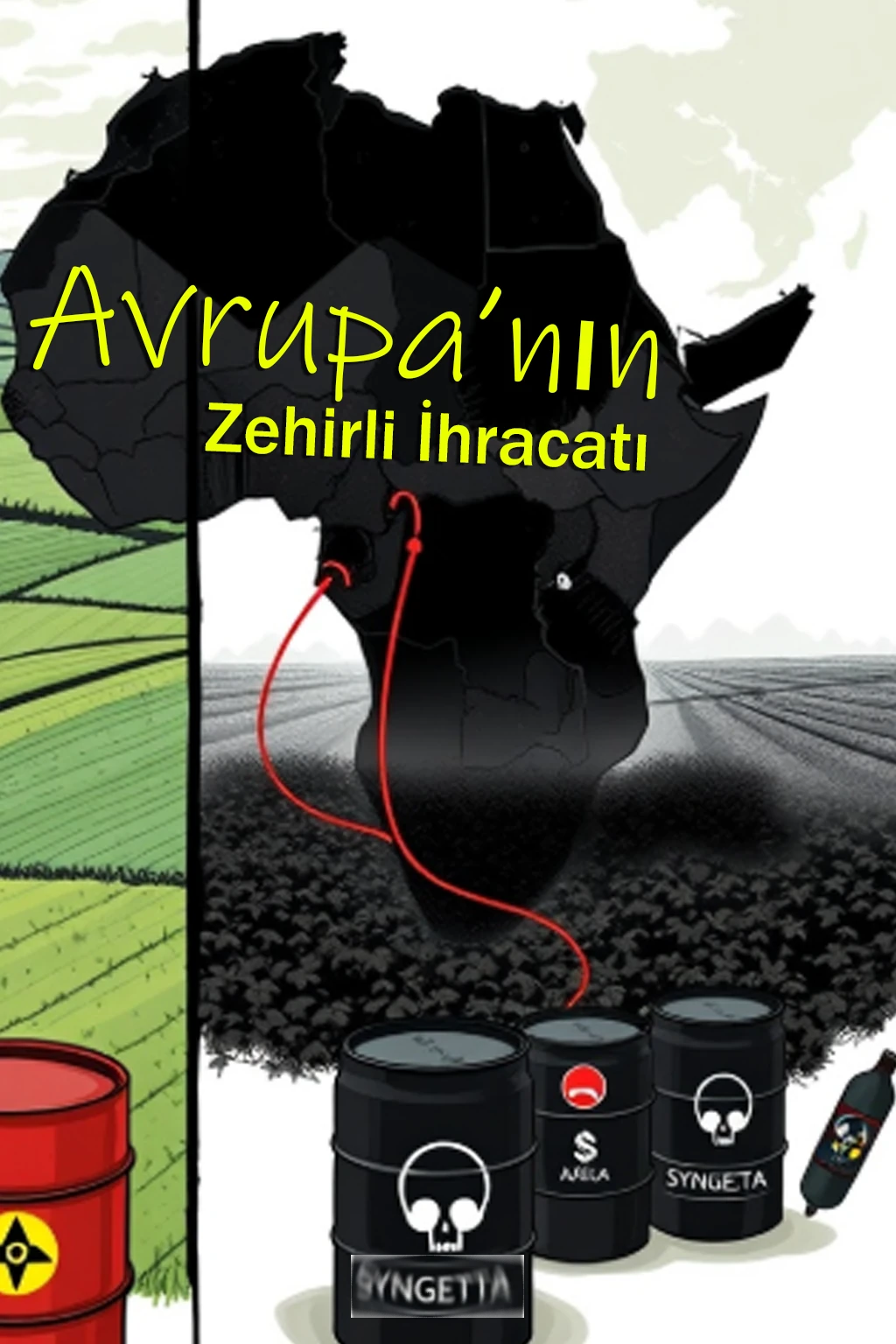
From an environmental perspective, pesticides can contaminate soil and water resources, creating long-lasting ecological impacts. Particularly concerning are their effects on pollinators such as bees, which play a critical role in agricultural production. Additionally, some pesticides exhibit bioaccumulation, meaning they build up in organisms and move through the food chain, potentially leading to broader ecological consequences.
Food Safety and Residue Issues
One of the most debated aspects of pesticides is the residues they leave on food. These chemical traces remaining after harvest are regulated through limits known as MRL (Maximum Residue Limits). However, scientific discussions continue regarding the long-term effects of continuous exposure—even when residues are within legal limits.
Therefore, food safety is not solely determined by regulatory thresholds but is also closely linked to consumer awareness.
Approaches to Reducing Pesticide Exposure
For consumers, one of the most practical ways to reduce pesticide exposure is proper food cleaning. Washing under running water and, in some cases, using baking soda solutions can help remove a portion of surface residues. However, these methods are not equally effective for all pesticide types.
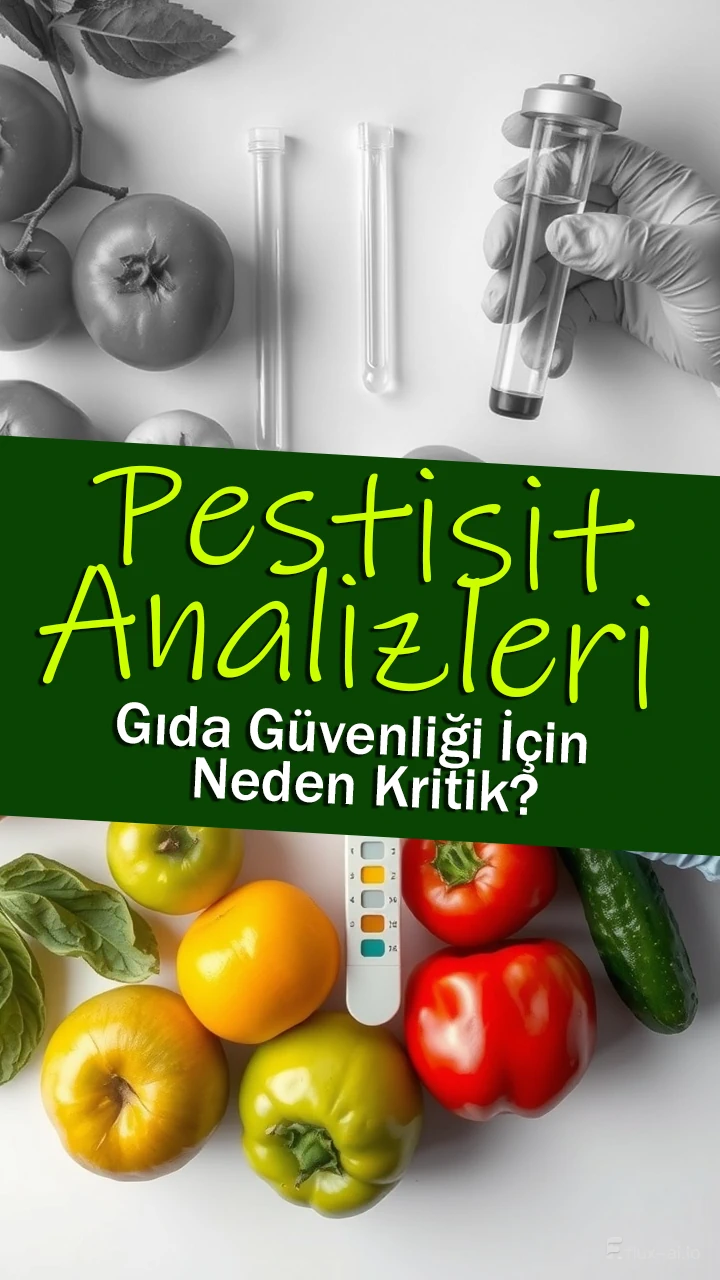
In recent years, rapid detection methods have gained attention. Pesticide test kits, designed for individual use, provide a practical way to assess the presence of potential residues in food. While these tests do not replace laboratory analysis, they offer an additional layer of safety and increase consumer awareness.
Additionally:
- Consuming seasonal produce
- Purchasing from reliable sources
- Preferring traceable products
are all important strategies for minimizing exposure.
Conclusion
Pesticides are indispensable tools in modern agriculture, yet they are complex substances that must be evaluated from multiple perspectives. The balance between their benefits and risks can only be sustained through scientific evidence and responsible use.
For consumers, the key approach is not complete avoidance but informed management. Understanding how food is produced, applying proper cleaning methods, and using verification tools when necessary provide an effective strategy to reduce pesticide exposure.
In this context, food safety is not only the responsibility of producers but also a shared process in which consumers play an active role.
References
- World Health Organization (WHO) – Pesticide Residues in Food https://www.who.int/news-room/fact-sheets/detail/pesticide-residues-in-food
- European Food Safety Authority (EFSA) – Pesticide Risk Assessment https://www.efsa.europa.eu/en/topics/topic/pesticides
- U.S. Environmental Protection Agency (EPA) – Types of Pesticides https://www.epa.gov/pesticides