For most people, rinsing an apple under tap water feels like enough to make it “clean.” However, recent scientific research suggests that this habit may not be as effective as we assume. Pesticide residues do not behave like simple surface dirt; some cling tightly to the fruit’s skin, while others can settle into microscopic pores.
This is where a new method developed by researchers at the University of British Columbia stands out. The study focuses not only on removing pesticide residues but also on extending the shelf life of fresh produce.
What Is the Study Based On?
The researchers developed a biodegradable and edible cleaning solution. What makes this solution unique is that instead of merely “washing away” pesticides, it actively binds to them and removes them from the surface.
The formulation consists of:
- Starch-based micro-particles (derived from corn and potatoes)
- Iron ions
- Tannic acid (a natural compound commonly found in tea)
When combined, these components form a sponge-like network on the fruit’s surface. This structure attaches to pesticide molecules and pulls them away. Unlike traditional washing methods that rely on dissolving residues, this approach physically captures and removes them.
What Do the Results Show?
Tests conducted on pesticide-treated apples produced striking results. The new method removed a significant majority of pesticide residues, clearly outperforming conventional washing techniques.
In contrast, methods such as rinsing with tap water, baking soda solutions, or plain starch typically leave behind more than half of the residues. This highlights an important point: produce that appears clean may still carry invisible contaminants.
More Than Just Cleaning
What makes this study particularly interesting is that its benefits go beyond cleaning. After the washing process, a thin, invisible coating forms on the fruit’s surface.
This coating acts as a functional barrier that helps:
- Slow down oxidation
- Reduce moisture loss
- Delay spoilage
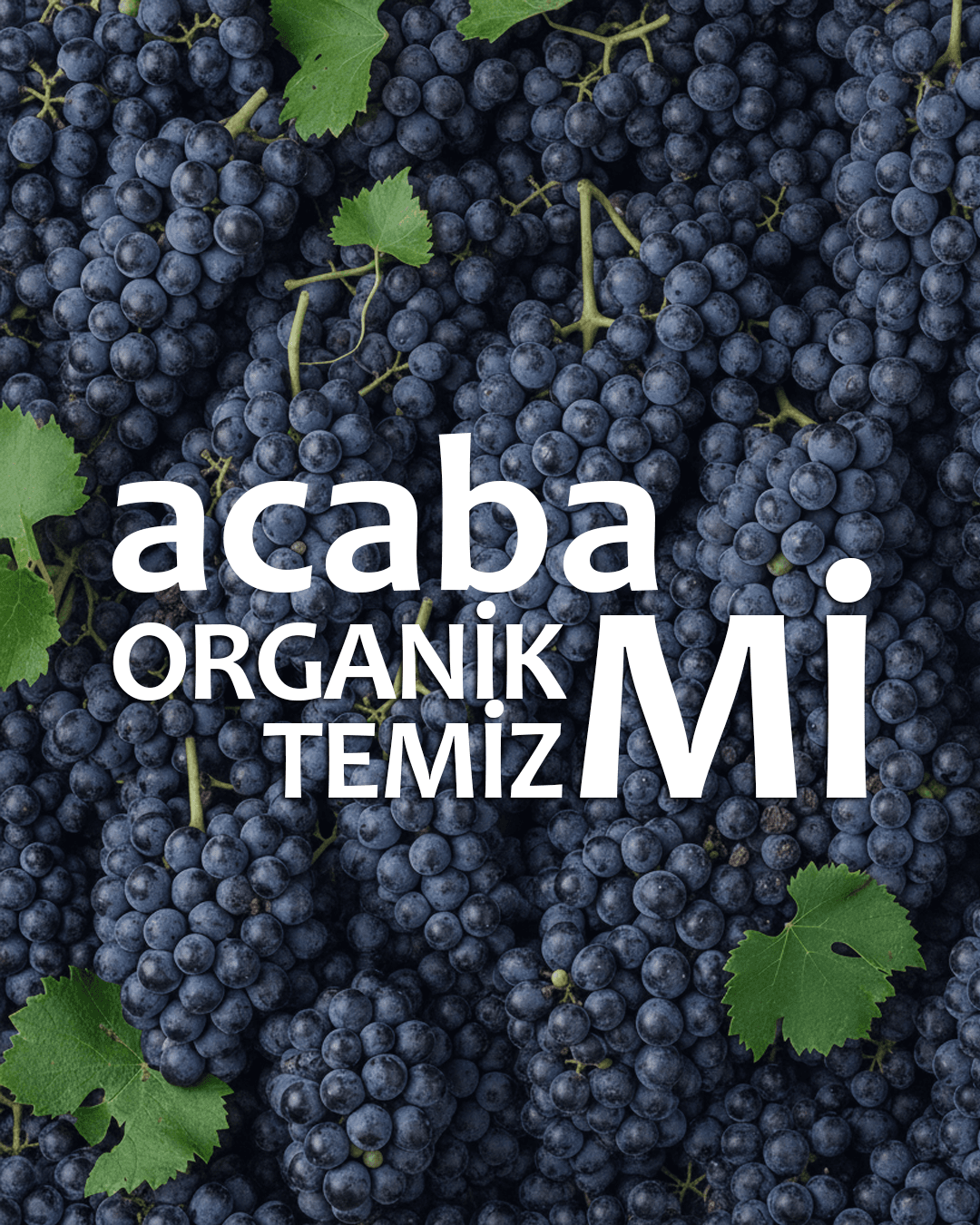
For example, sliced apples were observed to brown more slowly, and grapes maintained their freshness significantly longer, even at room temperature. This has important implications not only for food safety but also for reducing food waste.
How Does It Compare to Existing Products?
Current fruit and vegetable cleaning products on the market generally fall into three categories.
Some rely on vinegar or other acidic solutions, which can help loosen certain residues but are less effective against strongly bound pesticides. Others use baking soda (sodium bicarbonate), which is considered somewhat more effective but still does not achieve complete removal. There are also commercial products containing surfactants, which help dissolve dirt but are not specifically designed to target pesticide molecules.
The newly developed method differs in a fundamental way. It does not simply wash or dissolve residues; instead, it binds to pesticide molecules, removes them from the surface, and leaves behind a protective layer. In this sense, it represents a combined “cleaning + protection” approach.
What Does This Mean for Today?
Although this technology is not yet widely available, it reinforces an important reality: everyday cleaning methods are often insufficient. Relying on assumptions about cleanliness is not as reliable as measuring actual residue levels.
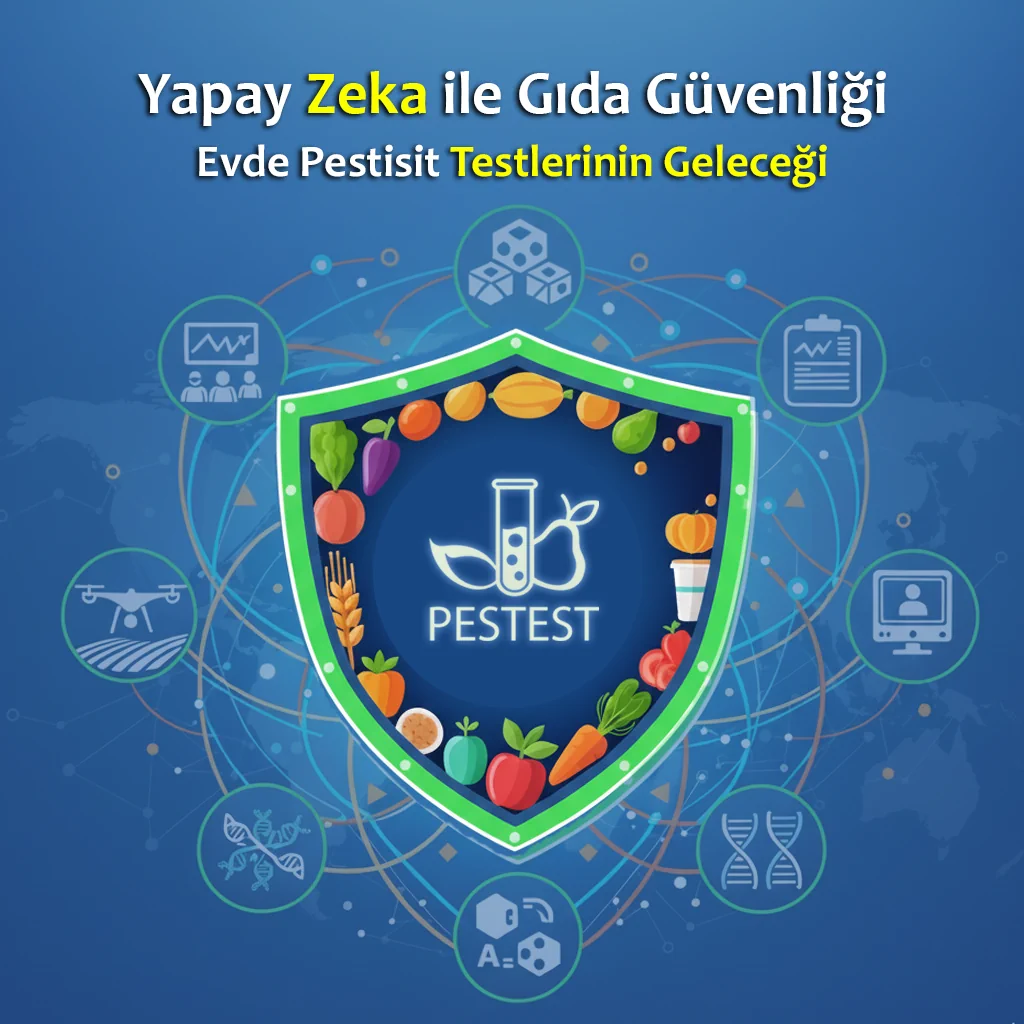
This is why pesticide testing is becoming increasingly important for conscious consumers. The only definitive way to know how clean a product truly is lies in proper analysis.
Conclusion
Science is moving toward a future where food can be both safer and longer-lasting. This newly developed method represents a promising step in that direction. However, until such technologies become part of everyday life, the most powerful tools available to consumers remain awareness and verification.
Washing fruits is a good start—but it may not be enough. True confidence begins when we can understand what we cannot see.
References
- UBC research news (Phys.org): https://phys.org/news/2026-04-fruit-pesticides-shelf-life.html
- ACS Nano-based article summary: https://www.foodandwine.com/fruit-wash-removes-96-percent-of-pesticides-ubc-study-11949331
- Sustainable Food Technology (RSC): https://pubs.rsc.org/en/content/articlehtml/2026/fb/d5fb00876j
- Detailed UBC study coverage: https://www.miragenews.com/ubc-wash-boosts-produce-shelf-life-removes-1654407/
- Technical explanation and analysis: https://en.futuroprossimo.it/2026/04/il-lavaggio-della-frutta-che-toglie-i-pesticidi-e-allunga-la-vita/