The growing concern surrounding staple foods in Europe is becoming increasingly difficult to ignore. New analyses conducted on bread, pasta, and various grain products reveal that substances known as “forever chemicals” have penetrated the food chain far more deeply than previously believed. Experts warn that many of these chemicals are linked not only to pesticide use, but also to food processing methods themselves.
In particular, chemicals belonging to the PFAS (per- and polyfluoroalkyl substances) group are associated with serious health risks because they persist in the environment for extremely long periods and accumulate in the human body. Recent pesticide testing suggests that these “forever chemicals” may not originate solely from packaging or industrial pollution, but could also be directly connected to agricultural production itself.
How Do Forever Chemicals Reach the Dinner Table?
For many consumers, the discovery of forever chemicals in products like bread and pasta may come as a surprise. According to scientists, however, the issue cannot be traced back to a single source. Some breakdown products of pesticides used in grain cultivation can exhibit PFAS-like properties. In addition, chemical residues remaining in agricultural soils from previous years, contaminated irrigation water, and even machinery used during milling and food processing may all contribute to the contamination chain.
The European Environment Agency (EEA), in its recent assessments, emphasized that grain-based foods can no longer be automatically regarded as “low-risk” products. The agency warns that low-dose but continuous exposure could have significant consequences, particularly for children and pregnant women.
Are Current Pesticide Tests Enough?
Existing European Union regulations establish maximum residue limits for pesticides. However, these limits typically focus on individual substances. New research, by contrast, shows that bread and pasta can contain multiple pesticide residues and persistent chemicals simultaneously. This phenomenon is known as the “cocktail effect,” and toxicology still lacks a full understanding of its long-term implications.
PAN Europe issued a strong warning on this issue:
“Pesticide testing is inadequate for evaluating the long-term and combined effects of persistent chemicals. The current system is designed to protect markets, not public health.”
This criticism becomes even more significant in light of recent political pressure to loosen pesticide regulations across Europe.
What Does the Industry Say — and Who Defends the System?
Representatives of the food and agrochemical industries argue that detecting persistent chemicals does not necessarily indicate an “acute risk.” Organizations such as CropLife Europe maintain that current scientific assessments are overly cautious and that Europe still operates the strictest food safety system in the world.
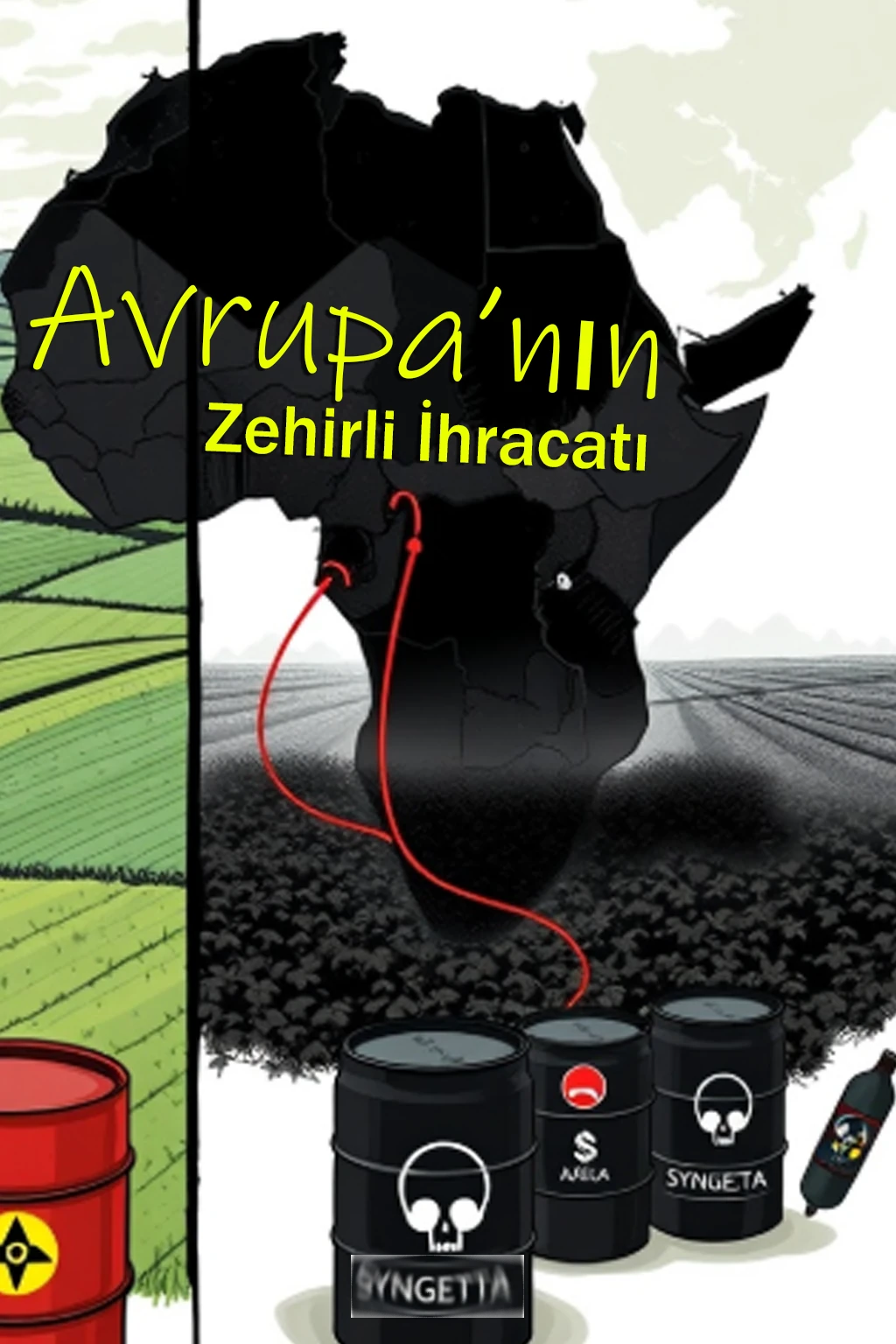
Critics, however, argue that this narrative conceals major conflicts of interest. Many of the pesticides and food-processing chemicals involved are produced by the same multinational corporations. In other words, the persistent chemicals found in bread or pasta can often be traced — directly or indirectly — back to the same industrial actors.
Corporate Europe Observatory summarized the issue as follows:
“The problem of forever chemicals is not a technical accident; it is the result of years of regulatory negligence and industry pressure.”
What Does This Mean for Public Health?
Scientific studies increasingly associate PFAS and similar persistent chemicals with immune system suppression, hormonal disruption, and certain forms of cancer. When it comes to foods consumed daily — such as bread and pasta — the concern is not a single exposure event, but rather constant and unavoidable contact over time.
According to experts, the issue is no longer merely whether legal limits are exceeded. The deeper question is why these substances continue to remain within the food chain at all.
2026 and Beyond: What Needs to Change?
Civil society organizations and independent researchers argue that the solution lies in greater transparency and more comprehensive pesticide testing. Persistent chemicals, they say, must be systematically monitored throughout both agricultural production and food-processing stages, with results made publicly accessible.
Otherwise, bread and pasta in Europe may come to symbolize not only nutrition, but also chronic chemical exposure.
Sources
- PAN Europe — Reports and analyses on pesticide residues, PFAS, and regulatory gaps in European food systems.
- European Environment Agency (EEA) — Scientific assessments on PFAS exposure through water, the environment, and food chains.
- Corporate Europe Observatory — Investigations into the influence of the chemical and agro-industry on EU policy-making.
- European Food Safety Authority (EFSA) — Official risk assessments regarding pesticide residues and food safety in Europe.